




































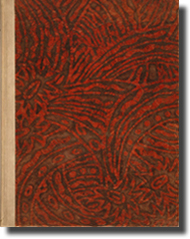
In
1920 the modalities of feminine beauty were in upheaval and fashion was
the banner of the new woman’s liberal style. Already famous in the
London magazines for his portraits of fashion beauties, Hoppé chose
to make a pseudo-typological study of the world’s most beautiful
women, defining an ideal “type” for each country. Britain’s
Anglo-Saxon women are compared to their Nordic, Latin, Asian, Polynesian,
and African counterparts under the ironical synonym that “Fair”
equals "Beautiful". This controversial approach was sure to win Hoppé great publicity,
which it did.
    |
 Lady Hazel Lavery, 1916 |  Viscountess M., 1916 |  Marion Davies, 1921 |  Hebe, England, 1917 |
 Kathleen Martyn, 1917 |  Lilian Gish, 1921 |  Anna Q. Nillson, 1921 | 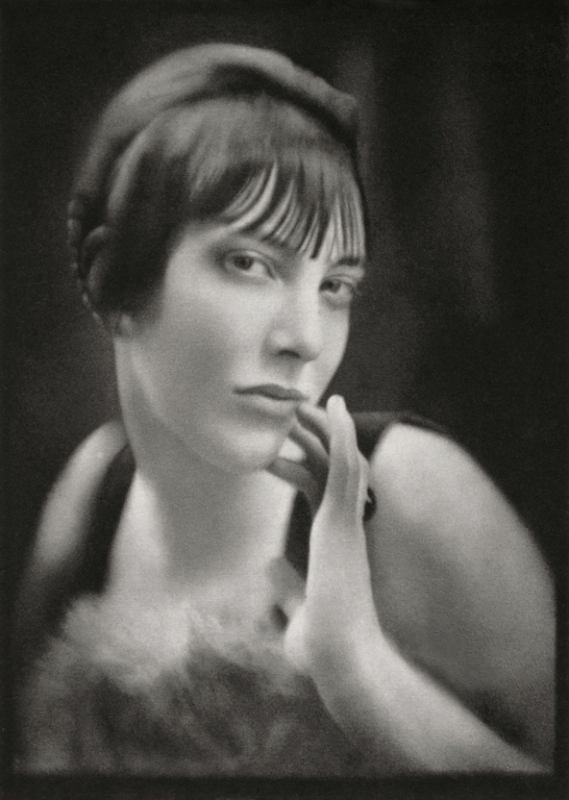 M. di Castellani, 1917 |
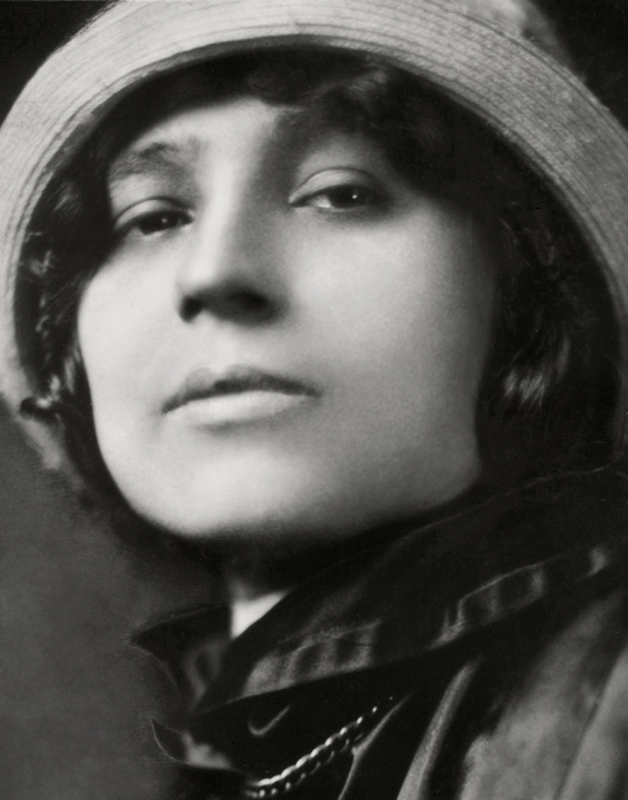 Madame Federova, 1912 |  Olga Morrison, 1916 | 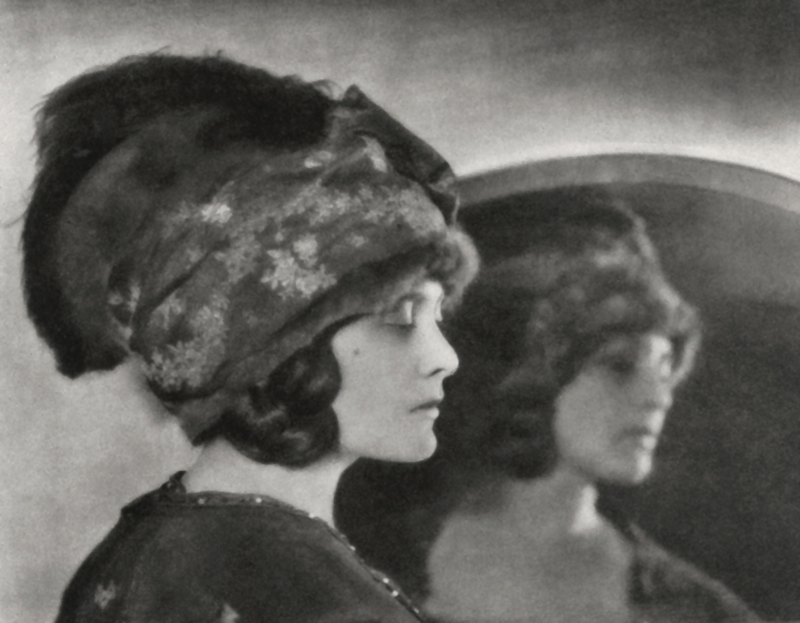 Mika Mikum, 1916 |  Prs. White Deer, 1921 |
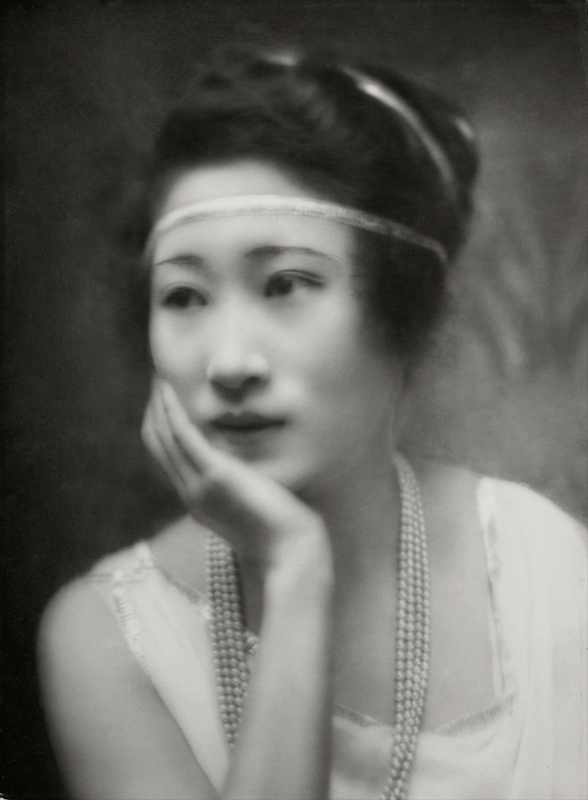 Miss Wellington Koo, 1921 | 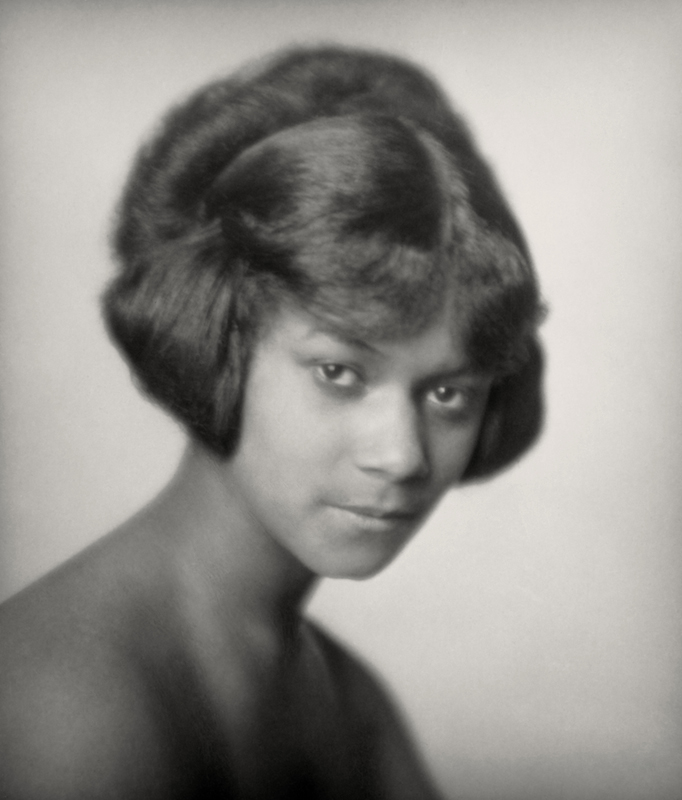 Cuban Woman, 1926 |  D. W. Indian Woman,1922 | 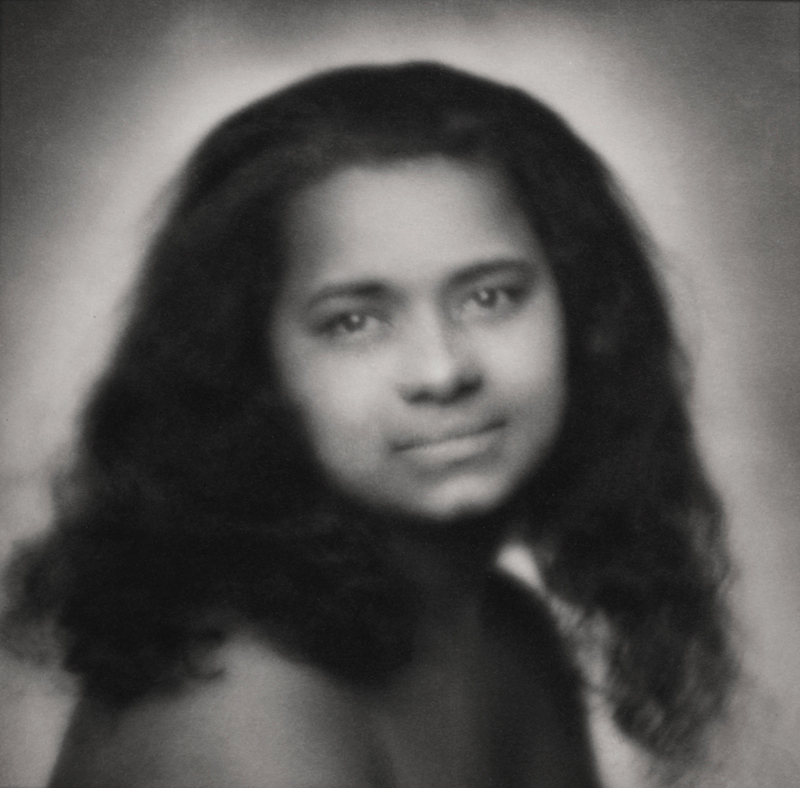 Haitian Woman, 1921 |

Editions:
New
York’s Alfred A. Knopf edition is a large-format limited-edition
book with hand-made Batik-style paper binding and masterfully made tipped-in
gravure plates. It is an exquisite object by itself (shown above).
London’s Jonathan
Cape edition is a smaller format of a more modest binding but has the
same high-quality tipped–in gravure plates.

The Telegraph UK, "Hoppé's Book of Fair Women was not about beauty" (2/16/2011)
